Burst Pipe Water Damage in La Puente, CA
Old galvanized supply lines rust from the inside until a joint or nipple gives way inside a wall. The restoration team extracts the water, opens only what is needed and dries the cavity.
(888) 578-6508Call about a burst pipe in La Puente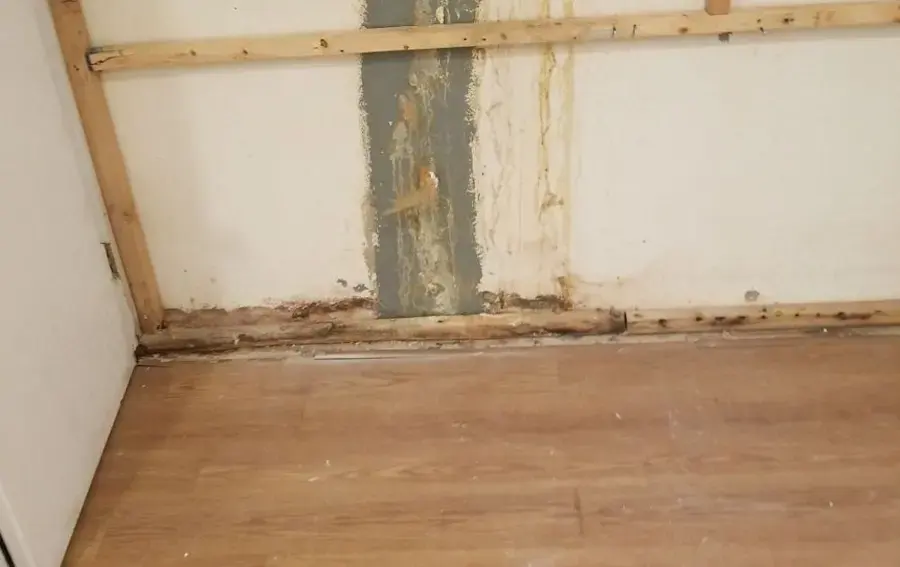
What to do first: burst pipe water damage in La Puente
- 1
Shut the main
Close the main valve at the house or the meter box.
- 2
Cut wet circuits
Turn off breakers to wet rooms if the panel is dry.
- 3
Open the cabinets
Open sink cabinets and closet doors so trapped water can be seen.
- 4
Photograph and call
Take photos of the break and the water before cleanup.
Trade standards on this job
- Wet height mapped before any wall is cut
- Flood cuts only above the measured wet line
- Clean-water drywall often dried in place
- Framing dried within 2 to 4 points of a dry reference
What does burst pipe water damage cost in La Puente, CA?
In La Puente, CA, burst pipe water damage restoration typically runs $1,200 to $7,000, depending on how long the line ran, how many rooms and walls were soaked, whether a ceiling was reached and how much drywall and flooring must come out.
One wall, caught fast
$1,200 to $2,800- Extraction
- Cavity drying through small openings
- Daily readings
Several rooms
$2,800 to $5,000- Flood cuts and baseboard removal
- Pad and flooring decisions
- LGR dehumidifiers
Ceiling or long run
$5,000 to $7,000+- Ceiling drywall removal
- Insulation removal
- Extended drying
For a closer planning number, try the water damage cost calculator. A firm price comes from the restoration company after it sees the damage.
How burst pipe damage is handled in La Puente
The order never changes: measure first, remove the water, dry, then prove it dry with readings.
(888) 578-6508Get La Puente drying started- 1
Map the moisture
The tech who does the walkthrough maps moisture with thermal imaging and pinless meters before any equipment goes down.
- 2
Pull the water
The extraction crew removes standing water with truck-mounted extraction, so it leaves the building instead of spreading.
- 3
Set the drying
The drying team sizes air movers and LGR dehumidifiers to each room's evaporation load and runs them around the clock.
- 4
Read, log, verify
The team logs readings daily until wet materials sit within 2 to 4 points of a dry reference, and the log goes into the claim file.
A large share of La Puente homes still carry some of their original galvanized steel supply piping, or a mix of galvanized and later copper repairs. Galvanized pipe rusts from the inside out. Flow drops, then a threaded joint or a short nipple behind a sink or toilet finally splits. Because the line is under full pressure, a break inside a wall can move a lot of water before anyone finds the shutoff.
What a burst line does inside a wall
- Water runs down the stud bay and pools on the bottom plate
- Drywall wicks water upward, often a foot or more above the floor
- Water spreads under the baseboard into the next room
- Insulation in exterior walls holds water and has to be checked
Extraction first, then the cavity
The extraction crew removes standing water from the floor first. The tech who does the walkthrough then maps the wall with thermal imaging and pinless meters to find the wet height. Where drywall is only damp and the water was clean, drilled holes or a small cut at the base let air movers and injection drying reach inside the cavity. Where drywall has broken down, a flood cut above the wet line opens the wall so the framing can dry.
Seismic movement is part of the story in the San Gabriel Valley. Old threaded joints loosened by years of small quakes are often the ones that let go.
Drying to a reading, not a date
Air movers and LGR dehumidifiers run until the framing and drywall read within 2 to 4 points of a dry reference in the same house. The EPA WaterSense pages explain how to spot slow leaks before they burst, and the California Geological Survey earthquake pages cover how shaking affects older homes.
Where the team handles burst pipe water damage around La Puente
The restoration team covers all of La Puente, from Main Street and Amar Road to Hacienda Boulevard, plus Valinda, Bassett, Avocado Heights, Hacienda Heights, West Covina and the City of Industry.
ZIP codes 91744, 91746, 91747 and 91749.
See every area coveredBurst Pipe Water Damage in La Puente: common questions
What should I do first when a pipe bursts?
Shut off the water at the main, turn off power to wet rooms if the panel is dry, photograph the damage and call. Every minute of flow adds water to the walls.
Where is the main shutoff on older La Puente homes?
It is usually where the supply enters the house, often near the front hose bib, or at the meter box by the curb. Knowing where it is before a break saves a lot of water.
Does the drywall always have to come out?
No. Drywall wet with clean water that has not broken down can often be dried in place through small openings. Drywall that has softened or stayed wet too long is cut out.
How long does a burst pipe dry-out take?
A contained break usually dries in three to five days after extraction. Water that reached a ceiling, insulation or hardwood takes longer.
Should old galvanized pipe be replaced?
That is a plumbing decision. Many owners repipe after a break because the rest of the galvanized system is the same age. The drying work is the same either way.
Is a burst pipe covered by insurance?
A sudden, accidental break is commonly covered after the deductible, while slow leaks and wear may be excluded. Coverage depends on your policy, so it is worth checking with your own insurer.
Pipe burst inside a La Puente wall? Call now.
A pressurized break keeps adding water until the main is off and the cavities are dried. The restoration team handles burst lines across La Puente, day or night.